Are you struggling to make your brand stand out online?
Do you feel like no matter how great your product is, it just isn’t getting noticed or worse, people don’t trust it?
If that sounds familiar, it’s not your product’s fault. It’s how your brand identity is communicating or failing to communicate your value. Every color, tagline, style choice, and word matters. Done right, your branding becomes a silent salesperson that sells for you, even when you’re not there.
What is Personal Branding?
Personal branding is the practice of presenting yourself as a unique and recognizable identity that reflects your expertise, values, and personality.
It’s how you build credibility, trust, and authority in your niche. When done correctly, personal branding transforms you into the face of your business, turning your skills, knowledge, and story into a persuasive, memorable presence.
Think of it this way: personal branding is the backbone of your visual identity, tagline, style, and messaging everything your audience interacts with that signals who you are and why they should engage with you.
Now, let’s explore the 5 steps to make your branding work for you.
1. Brand Colors: Let Emotion Drive Your Palette
Before a person reads a single word, they feel your brand. Colors are the silent language of emotion:
- Blue: Builds trust, professionalism, and calm
- Red: Sparks energy, action, and urgency
- Gold: Signals luxury, premium quality, and ambition
- Green: Conveys growth, balance, and freshness
When selecting your brand colors, consider what your product or service demands. A high-end luxury brand needs a restrained, elegant palette. A playful, energetic product may use bold, vibrant hues.
Your visual identity must align with the emotional experience you want your audience to have, because your colors are communicating before you ever speak.
2. Headline, Tagline & Style: Your Verbal and Visual Identity
Your headline and tagline are your first impression. They must:
- Grab attention
- Build interest
- Evoke desire
- Prompt action (AIDA in action)
Use numbers and clarity to make them irresistible:
“4 Steps to Build a Brand That Sells Without Selling”
“3 Ways to Make Your Product Stand Out in a Crowded Market”
A strong tagline invites engagement, it doesn’t just explain what you do. It captures your purpose and sparks curiosity.
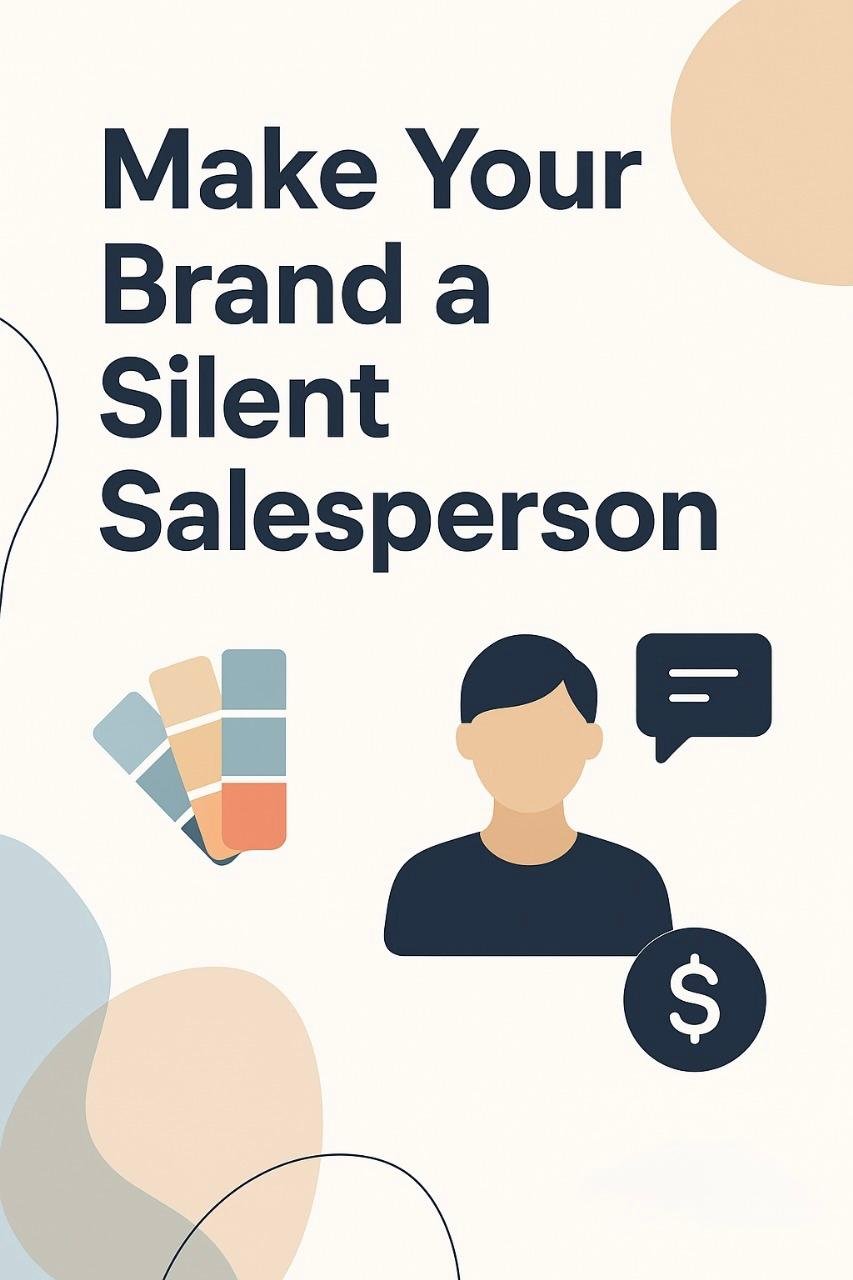
Now pair this with style, the visual personality of your brand:
- Minimal / simple for trust, professionalism, and sophistication
- Bold / expressive for energy, excitement, and attention
- Complex / layered only if it aligns with your product and messaging
Your tagline and style should work together to tell a consistent story, visually and verbally, that reinforces your personal branding strategy.
3. Description: The Story That Connects
Your brand description is where empathy and strategy meet.
Start with the pain:
“Are you tired of seeing competitors get all the attention while your work goes unnoticed?”
Then introduce the solution:
“Through strategic branding, clear messaging, and a visual identity that speaks, you can turn your product or service into a brand people trust and remember.”
This is brand storytelling, it makes your audience feel seen and understood. Use tools like AnswerThePublic to identify the real questions and struggles your audience faces, and address them in your copy.
FOMO / Scarcity as Actionable Step:
Don’t just describe your brand, motivate action. Implement FOMO tactics ethically:
- Scarcity: “Only 5 slots left this month”
- Limited-time offers: “Sign up before 11.11 to lock your price”
- Exclusivity: “Join our early access list to get premium benefits”
Humans respond faster to potential loss than gain. When your audience senses urgency, they act, making FOMO an essential step, not a tip.
4. FOMO & Scarcity: The Psychology That Moves People
Even great branding can fall flat without urgency. People need a reason to act now.
Use psychological triggers responsibly:
-
Scarcity: “Only 10 seats left for this month.”
-
Time-limited offers: “Valid till 11.11 midnight.”
-
Exclusivity: “Join the waitlist for early access.”
The human brain responds faster to potential loss than gain. When your audience fears missing out, they act. FOMO marketing is an essential tactic in a branding strategy that converts.
5. Pricing & Call to Action: The Confidence Signal
Pricing is more than numbers; it communicates your brand’s authority and value.
- Low pricing → perceived average quality
- Confident pricing → perceived premium quality
When your offer delivers exceptional value, your audience doesn’t question the price, they trust the experience. Pair it with a clear CTA:
“Join our community today.”
“Get started now and transform your brand.”
“Book your premium consultation.”
Your CTA should feel natural and reflect your brand personality. Without a clear CTA, even the strongest branding can’t convert.
💎Bonus Insights: Build a Brand That Speaks Silently
- Adopt the Blue Ocean Mindset
Instead of competing in overcrowded spaces, create a unique lane where your brand identity stands out. Your difference becomes your advantage. - Consistency is Key
Keep your colors, tone, visuals, and messaging uniform. Recognizability builds trust and makes your brand memorable. - Deliver Quality First
Excellence is the most persuasive marketing. When your product or service consistently delivers, your audience becomes your silent promoters. - Emotion Sells
People buy feelings, not products. Attach story, meaning, and emotion to everything, from packaging to tagline. Emotion is the glue that turns casual visitors into loyal clients.
Final Thought
Your brand is always talking, through your colors, words, design, pricing, and overall presence.
Make every detail intentional. When branding is done right, you don’t need to convince people, they already trust you.
Your branding becomes your silent, loyal, and unstoppable salesperson.
❓ FAQs: Your Branding Questions Answered
1. What is personal branding, and why is it important?
Personal branding is the practice of presenting yourself as a unique identity that reflects your expertise, values, and personality. It builds trust, recognition, and authority, helping you attract your ideal audience and opportunities.
2. Why should I choose specific colors for my brand?
Brand colors communicate emotions and values before words ever do. Choosing the right palette aligns your visual identity with the feelings you want your audience to experience.
3. When should I update my brand’s tagline or style?
Whenever your brand evolves, introduces a new product, or pivots strategy. A tagline and style should always reflect your current brand identity and messaging.
4. Where should I use my brand colors consistently?
Brand colors should appear across your logo, website, social media, packaging, advertisements, and any visual content. Consistency strengthens recognition and trust.
5. How do I create a tagline that connects with my audience?
A tagline should grab attention, evoke emotion, and spark curiosity. Use numbers, clear benefits, and simple language. Think of it as a mini-story that introduces your brand promise.
6. What is the role of FOMO in branding?
FOMO (fear of missing out) creates urgency, encouraging your audience to act quickly. Scarcity, limited-time offers, and exclusivity are common tactics used responsibly in branding strategies.
7. Why is pricing important for brand perception?
Your pricing communicates your value. Confident, strategic pricing signals premium quality, while low pricing may imply average quality, affecting how your brand is perceived.
8. How can I make my branding a “silent salesperson”?
By aligning your colors, tagline, style, messaging, and pricing consistently, your brand communicates trust and value automatically. Every touchpoint should reflect your brand identity.
9. When should I focus on emotion in branding?
Always. People buy feelings, not products. Your brand story, visuals, and messaging should evoke emotions that connect with your audience and build loyalty.
10. What platforms should I use to spread my personal brand?
Start with platforms where your audience is active, LinkedIn, Instagram, Twitter/X, Pinterest, Quora, and blogs. Each platform is an opportunity to reinforce your personal branding strategy and share expertise.