Over the years, I have had the opportunity to work closely with Sir Hisham Sarwar and observe his leadership style firsthand. Like many others, I have attended his trainings, followed his content, and learned from his experiences. But sometimes, a simple conversation can reveal lessons that even years of learning cannot.
Recently, I had a thought-provoking discussion with him about leadership. What started as a simple question about competence and loyalty quickly turned into a deeper exploration of what leadership truly means.
What is more important for a leader: competence or the ability to build loyalty?
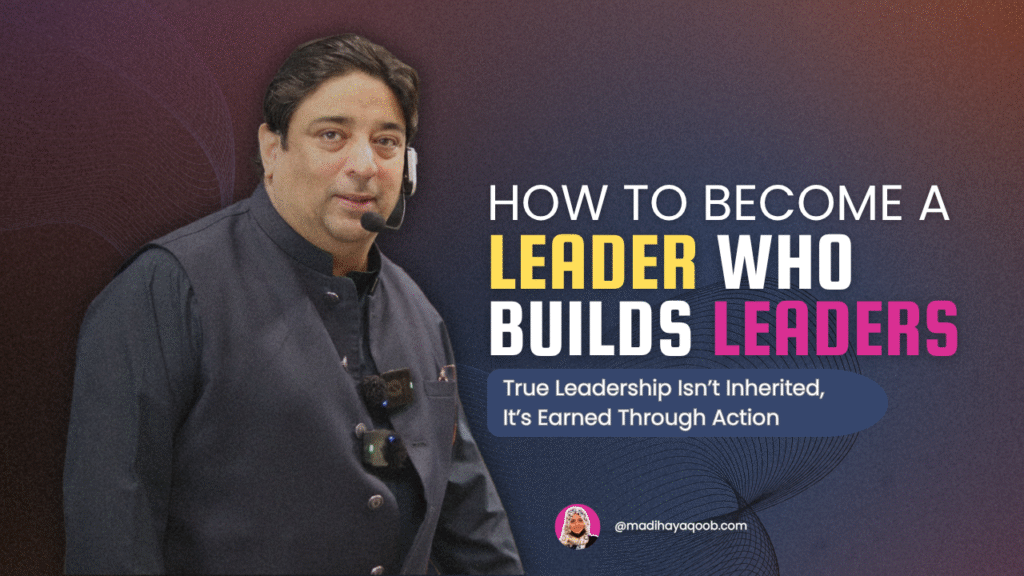
One thing that stood out to me was Sir Hisham Sarwar’s belief that leadership begins with action. Before expecting others to believe in your vision, you must first prove that you are willing to do the work yourself.
His response reminded me of something I have consistently observed throughout his journey: he never asks people to do something he has not done himself. Whether it is freelancing, content creation, entrepreneurship, or personal branding, he has always led by example.
Should leaders remain hands-on forever, or eventually focus on strategy?
As our conversation continued, I asked whether leaders should always remain hands-on or eventually focus on strategy.
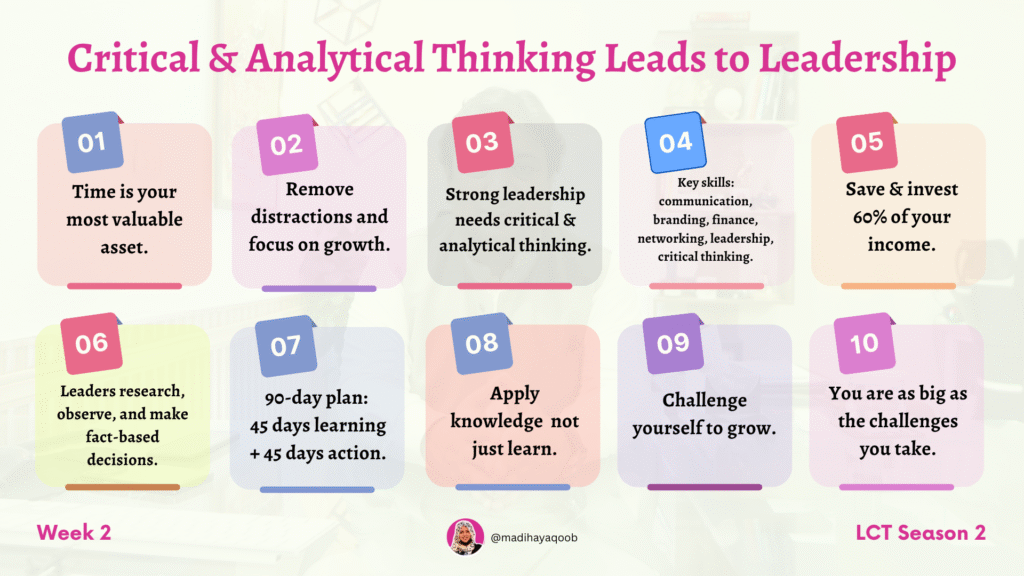
His answer highlighted an important reality that many aspiring leaders struggle with. In the beginning, leaders often have to wear multiple hats, make sacrifices, and personally carry the weight of building something from scratch. But as the vision grows, leadership becomes less about doing everything yourself and more about focusing on relationships, critical thinking, financial management, and strategic decision-making.
This shift is where many people misunderstand leadership. Being a leader does not mean doing everything forever; it means knowing when to transition from execution to vision.
If leaders do everything themselves, what is the role of delegation?
This was perhaps one of the most interesting parts of our discussion.
Sir Hisham Sarwar explained that every successful venture begins with the founder doing much of the heavy lifting. However, as growth happens, delegation becomes necessary.
What resonated most with me was his emphasis on finding the right people. Not people who simply say, “We are with you,” but people who genuinely believe in the vision and are capable of improving it.
A strong team does not merely follow instructions; it contributes ideas, identifies gaps, and helps strengthen the mission.
What if a leader cannot find capable people and ends up doing everything alone?
Many leaders find themselves trapped in this cycle. They struggle to delegate because they feel no one can do the job as well as they can.
Sir Hisham Sarwar’s perspective was practical and straightforward: first, build the foundation yourself. Make the sacrifices required to get things moving. Then actively seek people who share the vision.
And if someone does not align with that vision, it may be better to find another person rather than continue carrying everything alone.
This reinforced an important lesson for me: leadership is not only about building systems; it is also about building people.
What makes leadership worth all the struggle?
Leadership demands sacrifice, patience, resilience, and responsibility. Naturally, I wanted to know what keeps leaders moving forward despite these challenges.
His answer was simple yet powerful:
“Progress equals happiness.”
The finish line, the goal, and the satisfaction of moving forward are what drive great leaders. They understand that obstacles are inevitable, but they continue because they are focused on growth and progress.
This statement explains a lot about high achievers. They are willing to weather storms because they know every step forward brings them closer to their destination.
So, is leadership really that difficult?
By the end of the conversation, one thing became very clear: leadership was never meant to be easy.
The sacrifices, the difficult decisions, the responsibility of carrying a vision, and the persistence required to keep moving forward all make leadership one of the most challenging roles anyone can take on.
Yet it is also one of the most rewarding.
My Biggest Takeaway
Reflecting on this conversation, I realized that leadership is much more than a skill.
It is a mindset.
Many people can learn leadership techniques, read books, and attend workshops. But only a few truly embrace the responsibility, resilience, and commitment to growth that leadership demands.
Working with and learning from Sir Hisham Sarwar has shown me that true leadership is not about titles or authority. It is about setting an example, building a vision, empowering the right people, and continuing to move forward no matter the circumstances.
I am grateful for conversations like these because they challenge assumptions, provoke deeper thinking, and remind me that some of the most valuable lessons come not from formal training sessions but from asking the right questions and learning directly from those who have walked the path before us.
And perhaps that is the greatest blessing of all, to learn leadership from a leader who lives it every day.